Martial arts have an interesting background that spans centuries and continents. You might find it intriguing exactly how ancient practices like Shuai Jiao and Kalaripayattu prepared for modern-day fight techniques. These disciplines not only emphasize physical skills however likewise show the societies that birthed them. As you discover their evolution, think about just how globalization has changed these traditional forms into crossbreed styles. What impacts do you assume have shaped today's martial arts landscape?
Ancient Martial arts: The Structures of Fight
As you explore the world of old martial arts, you'll uncover the rich structures that formed battle strategies across societies. Early practices concentrated on Self-Defense and survival, commonly incorporating strikes, hurting, and weapons.
In ancient China, for example, methods like Shuai Jiao highlighted throws and joint locks, while India's Kalaripayattu showcased dexterity and liquid motion. Japanese samurai developed Kenjutsu, a polished swordsmanship that highlighted technique and strategy.
These martial arts served not just for battle however also as a means of individual advancement, instilling worths like respect and perseverance. The blending of these strategies in time laid the groundwork for the varied martial arts you see today, each showing the unique philosophies and requirements of its society.
The Cultural Impact on Martial Arts Advancement
While martial arts often show the functional demands of a culture, they additionally embody the social values and ideas of their beginnings. When you discover different martial arts, you'll see just how they're influenced by religious beliefs, viewpoint, and social norms.
As an example, the focus on regard and self-control in Japanese martial arts comes from Zen Buddhism and samurai culture. In contrast, Brazilian Jiu-Jitsu advertises flexibility and approach, formed by the requirement for performance in a diverse, modern atmosphere.
You might locate that the rituals, uniforms, and training methods reflect an area's history and identity. By recognizing read more , you deepen your recognition of martial arts and their duty fit human experiences across the globe.
Modern Adaptations and the Globalization of Martial arts
Martial arts have changed considerably in recent years, adjusting to contemporary culture and international influences. You'll notice that conventional forms have mixed with contemporary strategies, creating hybrid styles like MMA. These adaptations accommodate diverse audiences, making martial arts easily accessible and enticing globally.
With the rise of social media sites and electronic systems, you can discover tutorials and competitions from all corners of the world, breaking geographical obstacles. This globalization has led to a shared admiration for different techniques, from Brazilian Jiu-Jitsu to Taekwondo.
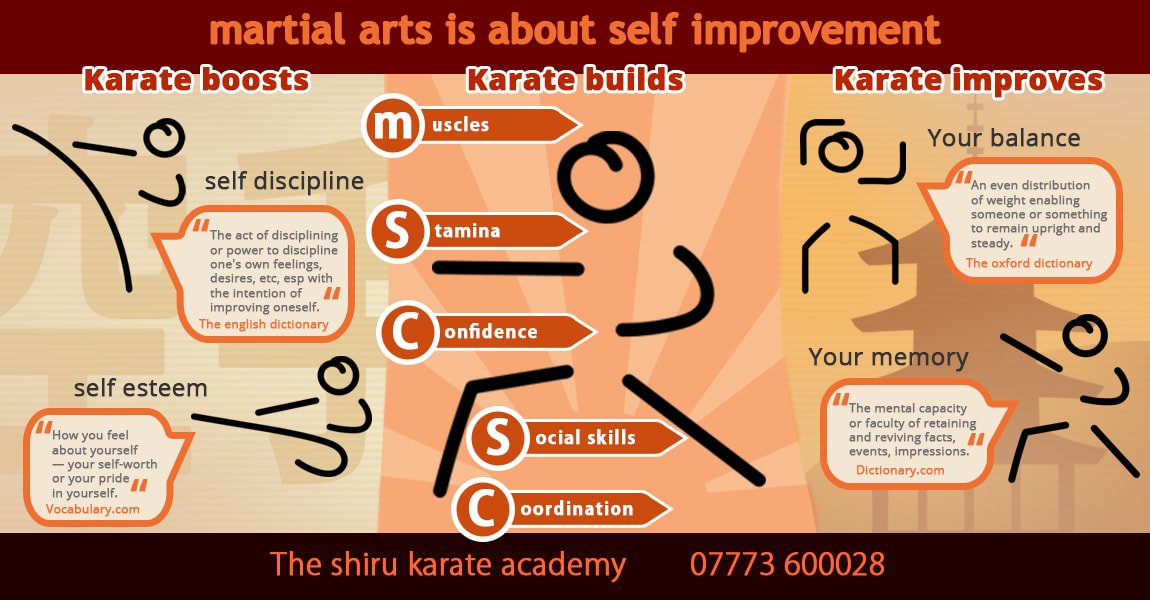
As you engage with these arts, you'll recognize they're not just about fight; they promote physical fitness, discipline, and mental health.
Eventually, contemporary adaptations have enriched the martial arts landscape, making it a vibrant and advancing method.
Final thought
In checking out the background and development of martial arts, you reveal a remarkable blend of strategies, cultures, and approaches. From old techniques like Shuai Jiao and Kalaripayattu to the modern flexibility seen in mixed martial arts, martial arts show humankind's pursuit for Self-Defense and personal growth. As you engage with these practices, you not just get skills however also a much deeper admiration for the varied customs that form our globe today. So, proceed karate workshops for kids and welcome the art of fight!